Long Lasting Candles Worth Every Penny (Tested & Ranked)
The Truth About "100+ Hour" Candle Claims
I'm calling bullshit on half these candle companies. You've seen the labels - "Burns for 150 hours!" - plastered across tiny jar candles that wouldn't last a weekend if you actually used them. I've been tracking burn times for the past two years because I got sick of buying candles that died faster than my motivation to exercise in January.
Here's what I've discovered: most long lasting candles either straight-up lie about their burn time, or they're technically accurate but only if you burn them for exactly 47.3 minutes every other Tuesday during a full moon. Real talk? I want candles that actually give me 100+ hours of scent without having to baby them.
So I tested dozens of candles - timing every single burn, tracking the wax levels, documenting when the scent disappeared. The results surprised me.
Why Most "Long Burn" Claims Are Complete Garbage
The candle industry has some creative ways of calculating burn time that would make a politician blush. They'll test under perfect laboratory conditions - controlled temperature, no drafts, perfectly trimmed wicks, burns limited to 4-hour intervals with complete cooling between sessions.
That's not how real people use candles. We light them during dinner parties and forget about them. We burn them while binge-watching Netflix for 6 hours straight. We don't religiously trim the wick every single time.
Most companies calculate burn time by dividing total wax weight by burn rate under ideal conditions. But here's what they don't tell you: burn rate changes dramatically as the candle burns down. A fresh candle with a properly sized wick burns differently than a nearly-empty jar where the flame is struggling to stay alive.
My Real-World Testing Method
I'm not running a lab here, but I've got a system that reflects how normal humans actually use candles. I burn each candle for 3-4 hours at a time (because that's what happens during dinner parties or movie nights). I track total burn time until either the wax is gone or the scent disappears - whichever comes first.
Because honestly? A candle that burns for 200 hours but stops throwing scent after 50 is useless to me.
I tested candles in my living room - normal temperature, occasional drafts from people walking by, real-world conditions. I trimmed wicks when I remembered to, which was about 60% of the time.
The Results Were Eye-Opening
Most candles fell short of their claims by 20-40%. But some exceeded expectations, and a few were so far off their advertised burn time that it felt like fraud.
The Brands That Actually Deliver on Their Promises
Keepers of the Light: The Honest Overachievers
I'll be straight with you - I went into this expecting Keepers of the Light candles to be middle-of-the-pack. They're not the most expensive, they're not the trendiest, but damn if they don't deliver exactly what they promise.
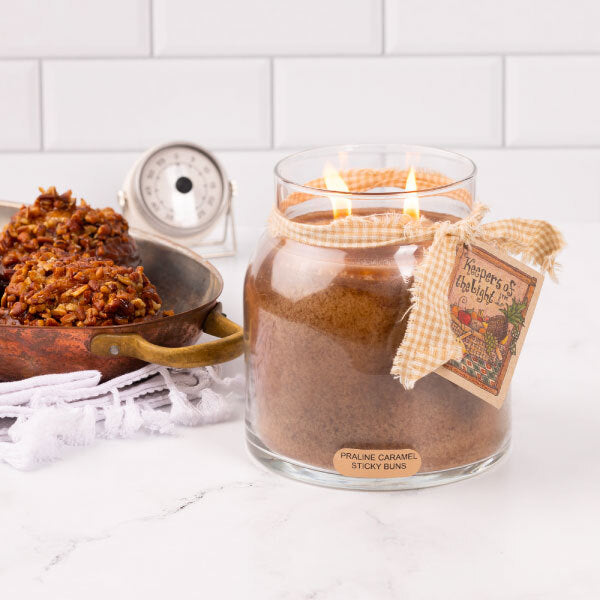
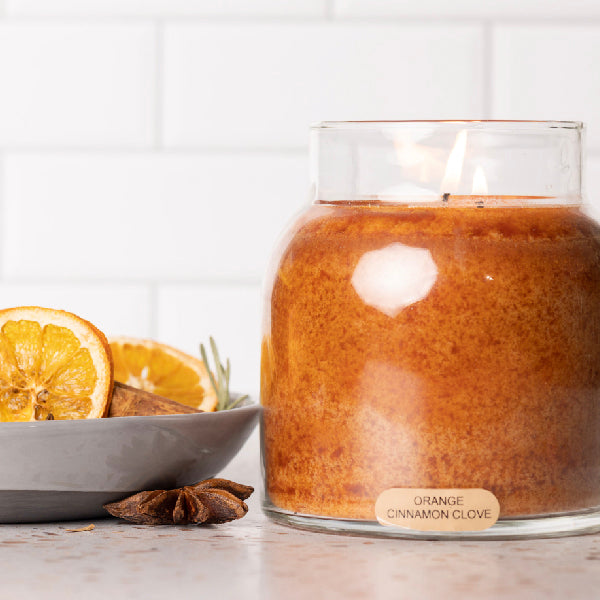
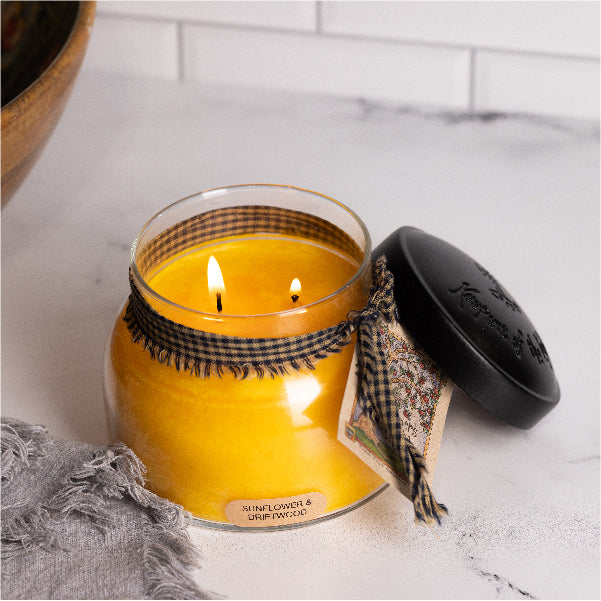
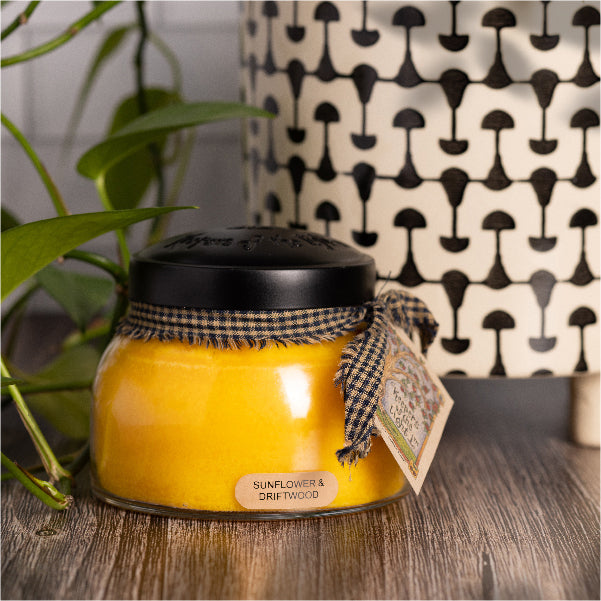
The Papa Jar (34oz) claims 155 hours. I got 158. Not kidding. The Mama Jar (22oz) advertises 100 hours, and I tracked 103 hours before the wax was completely gone. These aren't approximations - I have a spreadsheet because I'm apparently that person now.
What impressed me more was that the scent throw stayed consistent almost to the very end. Usually, candles start losing their scent projection in the final 20-30% of burn time. Not these. The Warm Wool Papa Jar I tested was still filling my living room with fragrance when it hit the 140-hour mark.
The secret? They use American-made paraffin wax and properly size their wicks for each container. It's not rocket science, but most companies cut corners here. Keepers of the Light doesn't.
Why These Burn Times Actually Matter
Let's do some math. A Papa Jar costs around $28 and gives you 155+ hours. That's about 18 cents per hour of scent. Compare that to a $25 Bath & Body Works 3-wick that claims 45 hours but realistically gives you 30-35 hours of good scent throw. You're looking at 71 cents per hour.
The difference is massive when you're someone who burns candles regularly. I go through about 400 hours of candle burn time per year (yes, I tracked this too). Switching to actually long lasting candles saves me close to $200 annually.
The Disappointing Truth About Popular Brands
Bath & Body Works: Pretty but Pathetic
Their 3-wick candles claim 25-45 hours depending on size. In my testing, most topped out around 30-35 hours, and the scent was gone by hour 25. The problem isn't just burn time - it's that the wicks are undersized for the amount of wax. You get tunneling issues and uneven burns that waste probably 30% of your candle.
Look, they smell incredible for the first 20 hours. But if you want value for money, they're not it.
Yankee Candle: Inconsistent and Frustrating
Yankee's large jars advertise 110-150 hours. I've tested six different scents, and results were all over the map. Clean Cotton gave me 127 hours with decent scent throw throughout. Vanilla Cupcake died at 95 hours, and the scent was barely detectable after hour 75.
The quality control is just inconsistent. Sometimes you get a winner, sometimes you get a dud. When you're spending $30 on a candle, that's not acceptable.
Luxury Brands: All Style, No Substance
Don't get me started on Diptyque. $75 for their standard candle, which claims 60 hours. I got 52 hours from Baies, and while it smelled beautiful, the price per hour is insane. You're paying for the brand name and fancy packaging, not superior burn time.
Voluspa is slightly better - their larger candles do hit their advertised burn times, but you're still paying a premium for aesthetics over performance.
The Size Sweet Spot for Maximum Value
After testing dozens of sizes, I've found the magic zone: 20-35oz candles give you the best bang for your buck. Smaller candles (under 10oz) burn too quickly and cost too much per hour. Massive candles (50oz+) seem like good value but often have wick issues that lead to tunneling and wasted wax.
The Mama Jar (22oz) from Keepers of the Light hits the sweet spot perfectly. Big enough to last months with regular use, not so big that you get bored of the scent before it's finished.
For smaller spaces, their Small Jar (10oz) gives you around 45 hours, which isn't bad for a candle that size. But the value really shines with their larger sizes.
What Actually Makes a Candle Burn Longer
It's not just about dumping more wax in a jar. The best long-burning candles get three things right:
Wax type: Paraffin burns slower and holds fragrance better than soy. I know soy is trendy, but if you want maximum burn time, paraffin is your friend. Keepers of the Light uses high-quality paraffin that burns clean and slow.
Wick sizing: Too small and you get tunneling. Too big and the candle burns too fast with poor scent throw. Getting this right requires actual testing, not guesswork.
Container design: The jar needs to be the right width and height ratio for the wick size. Most companies just use whatever containers are cheapest. The good brands design everything together.
The Hand-Poured Difference
Here's something most people don't know: Keepers of the Light candles are hand-poured in Elmer, New Jersey, by adults with special needs through a partnership with CODI (Committee on Developmental Independence). These folks - who call themselves "Wickers" - take genuine pride in their work.
You can tell the difference. Hand-poured candles have more consistent wax density, better wick placement, and fewer air bubbles that can cause uneven burning. It's not just feel-good marketing - it actually results in better burn quality and longer lasting performance.
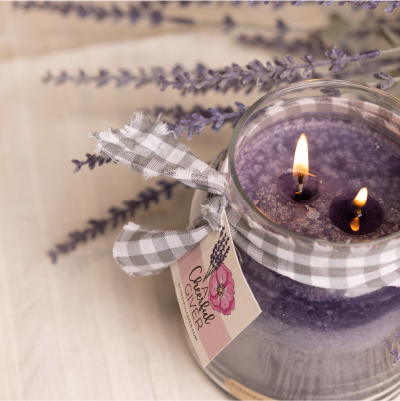
When Tony and Susan Gross founded A Cheerful Giver in 1991, they built the company around quality, not quick profits. That philosophy shows in every candle they produce.
Real Talk: What 100+ Hours Actually Looks Like
Let me put this in perspective. If you burn a candle for 3 hours every evening, a true 100-hour candle will last you over a month. A 155-hour Papa Jar? That's almost two months of nightly use.
Most people burn through 4-6 candles per year. With truly long lasting candles, you might need just 2-3. The math is simple: spend a little more upfront for candles that actually last, and you'll save money while getting more consistent scent.
I used to buy candles monthly. Now I stock up on Papa Jars twice a year and I'm covered. My house always smells amazing, I'm not constantly shopping for replacements, and my wallet is happier.
The Bottom Line on Long-Lasting Value
Stop buying candles based on pretty packaging or brand recognition. Buy them based on verified performance. Can they actually deliver their advertised burn time? Do they maintain scent throw throughout their life? Are you getting good value per hour of use?
For most people, Keepers of the Light offers the best combination of long burn time, consistent scent throw, and reasonable pricing. They're honest about their claims, they deliver on their promises, and they support meaningful employment in their community.
The Papa Jar might cost more upfront than that cute little candle from Target, but when you break it down to cost per hour of enjoyment, there's no comparison. Sometimes the smartest choice is also the right choice.
And honestly? There's something satisfying about buying a candle in February and still having it burning strong in April. That's what actual long-lasting candles should do.