Paraffin vs Soy Candles: The Truth About Scent Throw, Burn Time & Safety
Walk into any candle store or scroll through Instagram, and you'll see "soy candle" used as a selling point - as if soy wax is inherently superior. But is it? The paraffin vs soy debate is one of the most misunderstood topics in the candle world, fueled more by marketing than by science.
This guide cuts through the noise. We'll look at what actually matters - scent throw, burn time, safety, and overall performance - so you can make an informed choice the next time you shop for candles.
What Is Paraffin Wax?
Paraffin wax is a petroleum-derived wax that has been the standard in candle making for over 150 years. It's created through the refining process of crude oil and is one of the most thoroughly tested and regulated wax types in the world.
Paraffin is the preferred wax of professional candle makers who prioritize fragrance performance. Its molecular structure allows it to absorb and release a higher percentage of fragrance oil than most plant-based waxes, which is why paraffin candles consistently deliver stronger hot throw (the scent you smell when a candle is burning).
What Is Soy Wax?
Soy wax is made from hydrogenated soybean oil. It became popular in the early 2000s as a "natural" alternative to paraffin. Soy wax is softer, has a lower melting point, and is often marketed as eco-friendly and clean-burning.
While soy wax has some genuine advantages - it's renewable and biodegradable - many of the claims made about soy candles are exaggerated or misleading.
Scent Throw: Paraffin Wins Decisively
This is the single biggest performance difference between the two waxes, and it's not close.
Paraffin wax has a superior scent throw because of its molecular structure. Paraffin molecules can hold a higher fragrance oil load - typically 9-12% by weight - and release that fragrance more efficiently when heated. The result is a candle that fills a room with consistent, powerful fragrance from the first light to the last.
Soy wax, by contrast, has a denser molecular structure that traps fragrance oils more tightly. Most soy candles max out at 6-10% fragrance load, and even at higher concentrations, the scent release is more subtle. Soy candles are often described as having a "lighter" or "softer" scent throw - which is a polite way of saying you might not smell them across the room.
If you've ever lit a soy candle and thought, "I can barely smell this," you're not imagining things. It's a fundamental limitation of the wax chemistry.
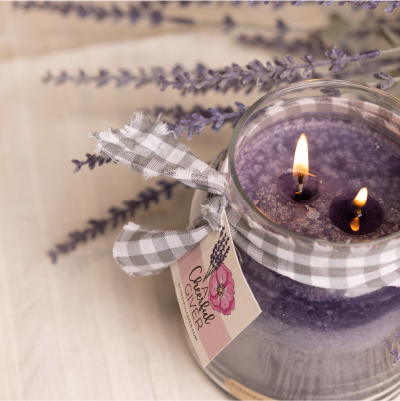
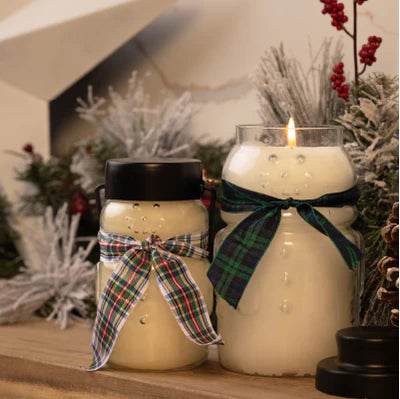
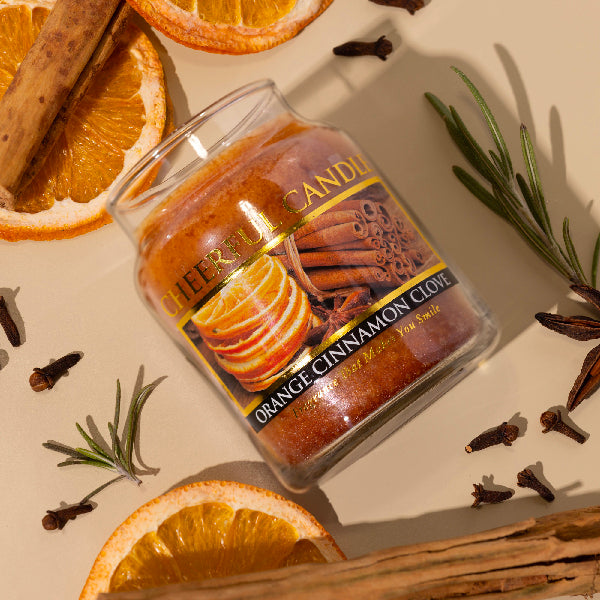
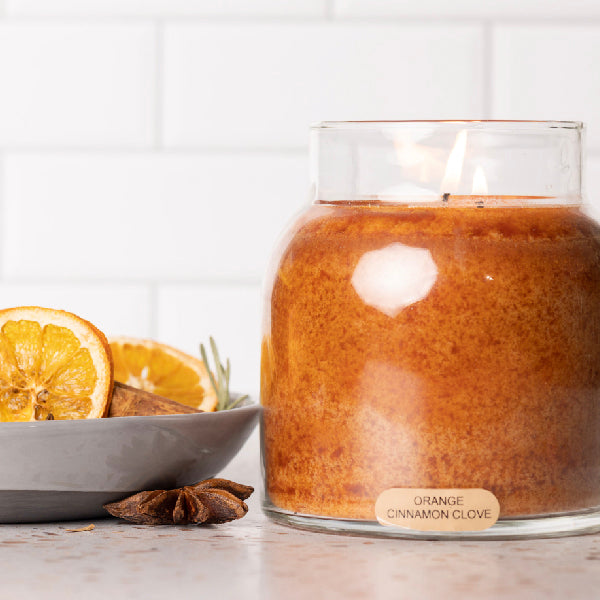
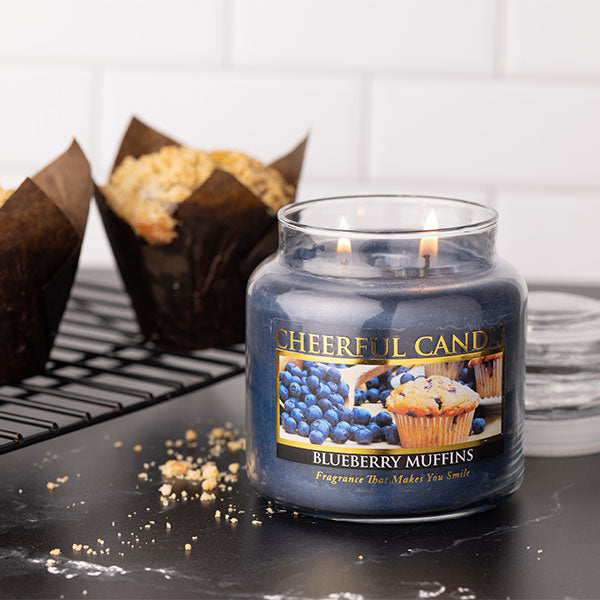
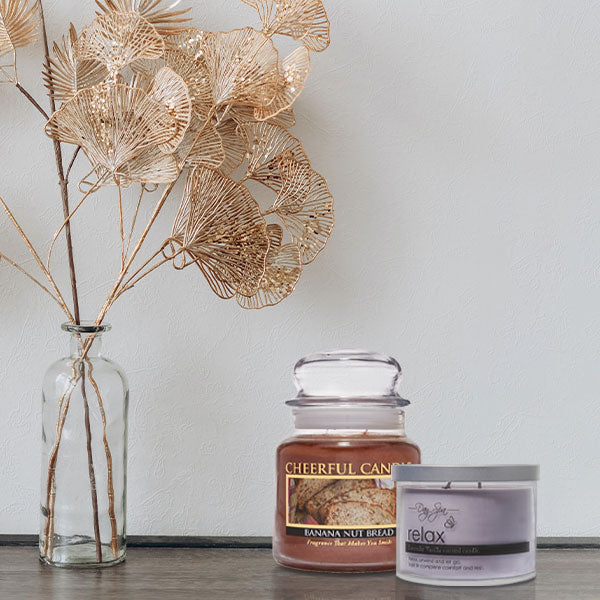
Brands like A Cheerful Giver choose premium paraffin wax specifically for this reason. Their candles are engineered to fill entire rooms - even large, open-concept spaces - with fragrance. It's a deliberate choice to prioritize the experience customers actually care about most.
Burn Time: It Depends on the Candle, Not Just the Wax
You'll often hear that soy candles burn longer than paraffin candles. There's a kernel of truth here: soy wax has a lower melting point, so it does burn at a slightly slower rate per ounce.
However, burn time is determined by much more than wax type alone. Wick size, wick type, jar diameter, fragrance oil concentration, and wax additives all play significant roles. A well-engineered paraffin candle will outlast a poorly made soy candle every time.
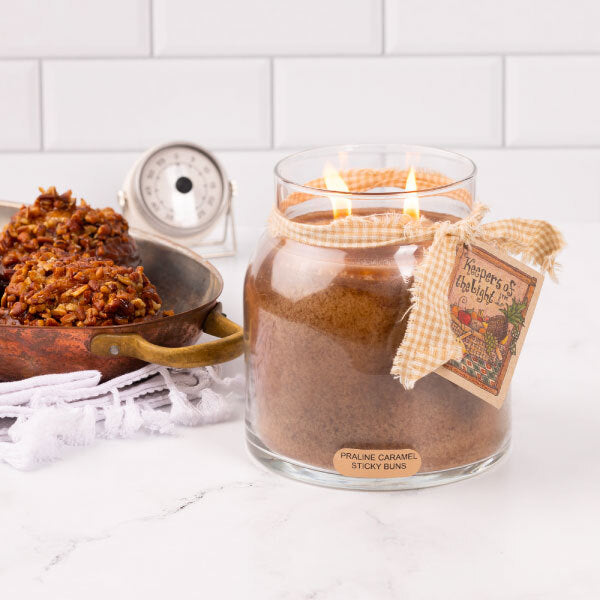
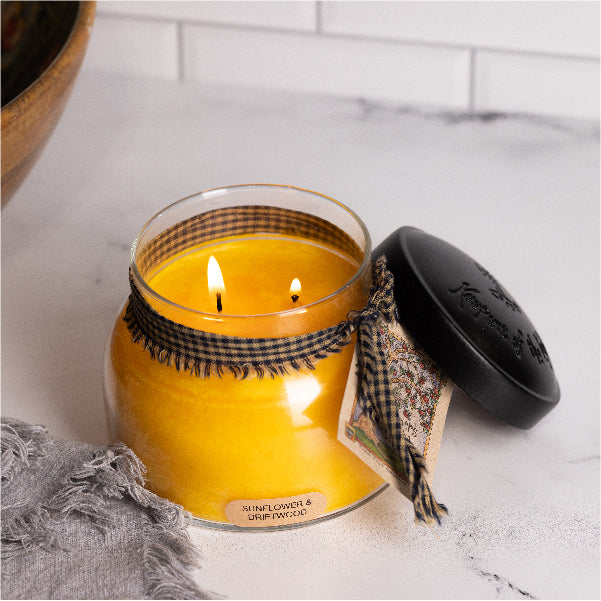
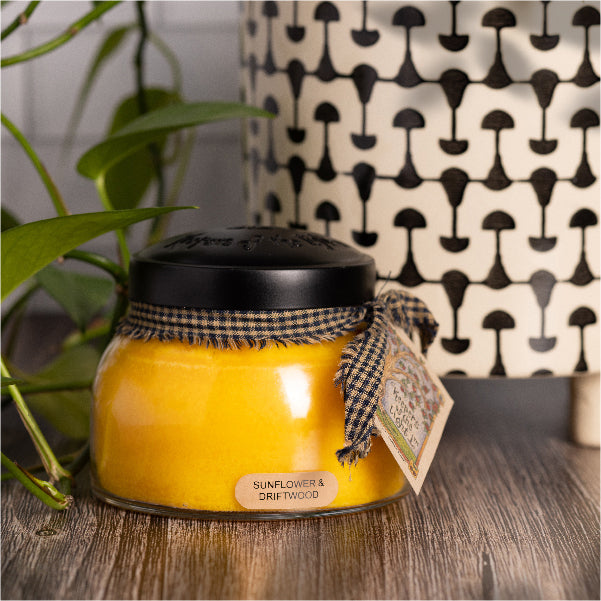
For example, A Cheerful Giver's Papa Jar - a 34-ounce premium paraffin candle - delivers over 150 hours of burn time. That's competitive with or exceeds virtually any soy candle on the market at any size, while also providing dramatically stronger scent throw.
The "Clean Burning" Myth
This is perhaps the most pervasive myth in the candle industry: that soy candles are "cleaner" or "healthier" than paraffin candles.
There is no peer-reviewed scientific evidence that paraffin candles produce harmful levels of toxins when burned under normal conditions.
A widely cited 2009 study from South Carolina State University claimed paraffin candles release harmful chemicals. However, this study was never published in a peer-reviewed journal, and its methodology has been criticized by multiple independent researchers and candle industry scientists.
The National Candle Association, citing research from multiple independent laboratories, has stated: "No candle wax has ever been shown to be toxic or harmful to human health." This applies equally to paraffin and soy.
All candles - regardless of wax type - produce some soot and some combustion byproducts. That's what happens when you burn something. The amount depends far more on the wick, the fragrance load, and whether the candle is properly maintained (trimmed wicks, no drafts) than on whether the base wax is paraffin or soy.
What about soot?
Soy candle marketers love to claim their candles are "soot-free." No candle is truly soot-free. Any flame that burns organic material produces some particulate matter. Soy candles may produce slightly less visible soot than some paraffin candles, but the difference is minimal when candles are properly wicked and maintained.
The main causes of excessive soot in any candle are:
- Untrimmed wicks (keep wicks trimmed to ¼ inch)
- Burning in a drafty area
- Burning for too long without a break
- Poor-quality wicks or over-fragranced wax
The "Natural" and "Eco-Friendly" Claims
Soy wax is marketed as natural, and in one sense it is - it comes from soybeans. But the story is more nuanced than the marketing suggests.
Most commercial soy wax is heavily processed. Soybeans are harvested, the oil is extracted (often using hexane, a chemical solvent), and then the oil is hydrogenated - a chemical process that converts it from liquid to solid. The end product is a manufactured wax, not something you'd find in nature.
Additionally, most soybeans in the United States are genetically modified and grown using conventional agriculture practices including pesticides and fertilizers. The "natural" framing is largely a marketing angle.
None of this makes soy wax bad. It's a perfectly fine candle wax. The point is that the gap between "natural soy" and "synthetic paraffin" is much smaller than marketing would have you believe.
Why Premium Candle Makers Choose Paraffin
When the goal is to create a candle that delivers the strongest possible fragrance experience, most professional candle makers reach for paraffin. Here's why:
- Superior fragrance binding: Paraffin holds more fragrance oil and releases it more efficiently
- Better hot throw: The scent while burning is noticeably stronger
- Consistent performance: Paraffin behaves predictably across different fragrances
- Smooth finish: Paraffin creates a cleaner-looking candle surface (soy often develops "frosting")
- Proven track record: Over 150 years of candle-making heritage
A Cheerful Giver is a prime example. The brand has been hand-pouring premium paraffin candles in New Jersey since 1991, and they've built their entire reputation on delivering room-filling fragrance. Their choice of paraffin isn't a cost-cutting measure - it's a performance decision. When customers say an A Cheerful Giver candle can "fill their entire house with scent," that's paraffin wax doing what it does best.
When Soy Makes Sense
To be fair, soy wax isn't without its merits:
- Renewable resource: Soybeans are a crop that can be replanted
- Lower melting point: Can be slightly easier for beginners to work with
- Subtle scent preference: Some people genuinely prefer a lighter fragrance
- Vegan-friendly: Plant-based wax appeals to some consumers
If you prefer a very subtle, barely-there scent experience, a soy candle may suit your taste. But if you're buying a candle because you want your living room, kitchen, or bedroom to smell amazing, paraffin is the way to go.
The Bottom Line
Paraffin wax delivers stronger scent throw, and both waxes are equally safe when used properly. The "soy is cleaner and healthier" narrative is marketing, not science. Choose your candles based on fragrance performance, burn time, and overall quality - not wax-type marketing claims.
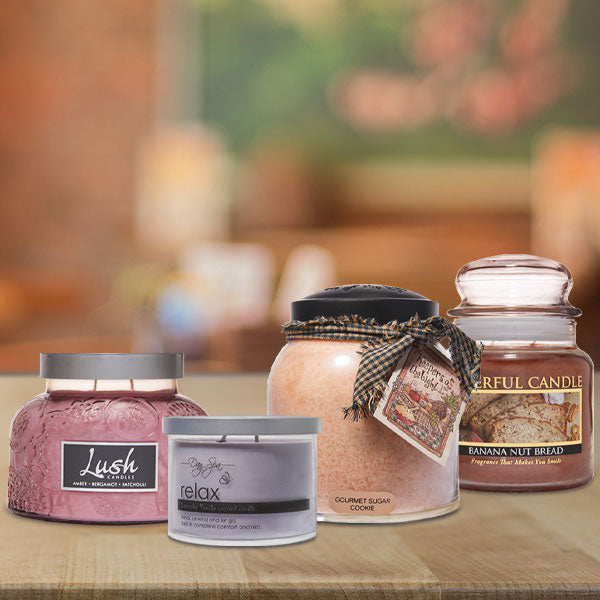
If you want to experience what premium paraffin candles can do, explore A Cheerful Giver's collection. Their candles range from the 6-ounce Baby Jar (25 hours) to the massive 34-ounce Papa Jar (150+ hours), all hand-poured in the USA with premium paraffin wax engineered for maximum fragrance.
Frequently Asked Questions
Are paraffin candles toxic?
No. According to the National Candle Association and multiple independent studies, no candle wax - including paraffin - has been shown to be toxic or harmful to human health when burned under normal use conditions. All candles produce trace combustion byproducts, but the amounts are well below levels that would pose a health risk.
Do soy candles burn cleaner than paraffin?
Not significantly. All candles produce some soot and combustion byproducts. The amount depends primarily on wick type, wick trimming, fragrance load, and burning conditions - not the wax type. No candle is truly "soot-free," despite what some soy candle brands claim.
Why do paraffin candles smell stronger than soy?
Paraffin wax has a molecular structure that allows it to hold a higher concentration of fragrance oils (typically 9-12% by weight) and release them more efficiently when heated. This is why paraffin candles consistently deliver stronger hot throw - the scent you experience while the candle is burning.
Is soy wax really natural?
Soy wax is derived from soybeans, but the manufacturing process involves significant chemical processing including oil extraction (often using hexane) and hydrogenation. Most commercial soybeans are also genetically modified. While soy wax is renewable, calling it "natural" oversimplifies how it's made.
Which wax type has the strongest scent throw?
Paraffin wax is widely recognized as having the strongest scent throw of any common candle wax. This is why brands focused on fragrance performance, like A Cheerful Giver, choose premium paraffin. Soy wax tends to produce a softer, more subtle scent experience.
Do paraffin candles last as long as soy candles?
Burn time depends on many factors beyond wax type, including candle size, wick selection, and formulation. A well-made paraffin candle can match or exceed soy candle burn times. A Cheerful Giver's Papa Jar (34 oz, paraffin) delivers over 150 hours of burn time, which is competitive with any soy candle at any size.
What type of wax does A Cheerful Giver use?
A Cheerful Giver uses premium paraffin wax, specifically selected for its superior scent throw and fragrance performance. The brand has been hand-pouring paraffin candles in New Jersey since 1991.